
The Australian Federal Budget 2026 has introduced some of the most significant property investment reforms Australia has seen in decades. These changes are expected to reshape investor behaviour, influence housing supply, and alter long-term strategies for buyers, developers, and property investors across the country.
At the centre of the reforms are major changes to negative gearing rules, alongside extended foreign investment restrictions and stronger incentives aimed at encouraging new housing construction.
The Government’s message is clear: future investment should help increase Australia’s housing supply rather than intensify competition for existing residential homes.
For property investors, understanding these reforms will be critical when planning future acquisitions, structuring portfolios, and assessing long-term investment performance.

Negative gearing has long been one of Australia’s most discussed property taxation strategies.
In simple terms, negative gearing occurs when the costs of owning an investment property exceed the rental income generated by that property.
These expenses may include:
Traditionally, investors have been able to deduct these losses against their salary or other taxable income, reducing overall tax obligations.
For many years, this tax benefit has encouraged investors to purchase residential property, particularly in markets with strong long-term capital growth potential.
However, the Federal Budget 2026 introduces major restrictions on how these deductions can be used for future purchases of established residential properties.

From Budget Night on 12 May 2026, investors purchasing established residential properties will face significant changes to negative gearing eligibility.
Under the new rules:
This means many investors who previously relied on tax deductions to improve cashflow may need to reassess the financial viability of certain investment properties.
The Government believes the reform will help redirect investor demand toward housing developments that increase supply rather than existing homes already within the market.
For many analysts, this represents one of the most substantial shifts in Australian property taxation policy in recent history.
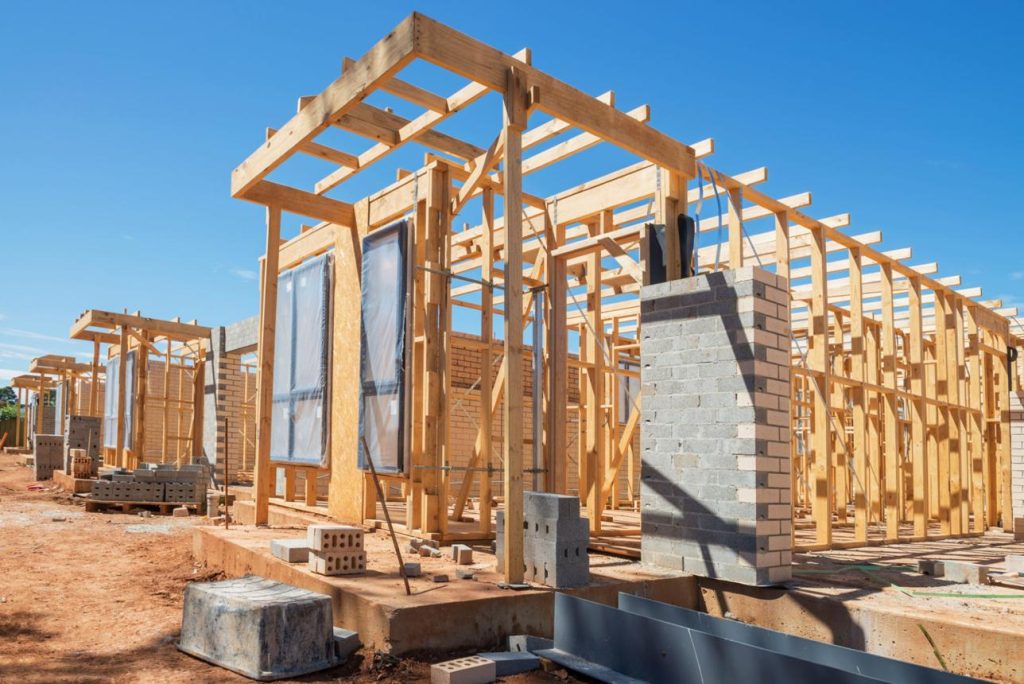
While restrictions apply to established residential properties, the Government has retained full negative gearing benefits for qualifying new residential developments.
Eligible investments may include:
Investors purchasing qualifying new-build properties may still access:
This policy is designed to stimulate construction activity and support housing supply growth across Australia.
As a result, many industry experts expect increased investor demand for new-build developments, particularly in high-growth regions such as Brisbane and South East Queensland.
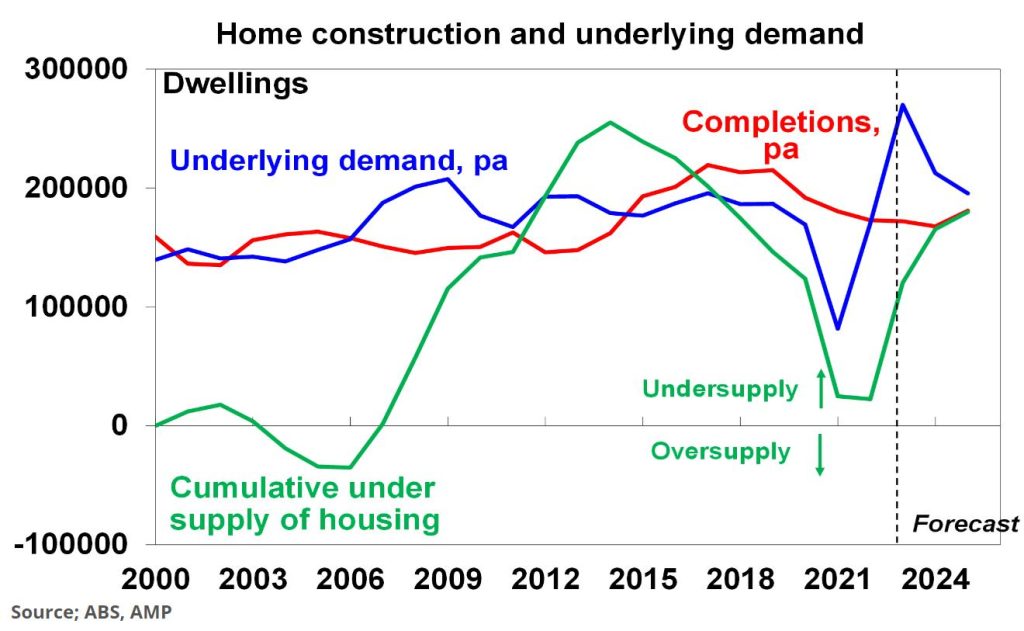
Housing affordability and rental supply shortages have become major national concerns in recent years.
Population growth, migration increases, and construction delays have all contributed to rising pressure on Australia’s housing market.
The Federal Government’s strategy aims to encourage:
By retaining tax incentives only for new developments, policymakers hope investors will contribute directly to increasing available housing supply rather than competing for established homes.

Importantly, current property owners are protected under grandfathering provisions.
If an investor owned a residential investment property before Budget Night on 12 May 2026:
This provides certainty for long-term investors and prevents retrospective taxation changes.
For many property owners, this grandfathering approach reduces immediate disruption while still allowing the Government to implement future-focused policy reform.
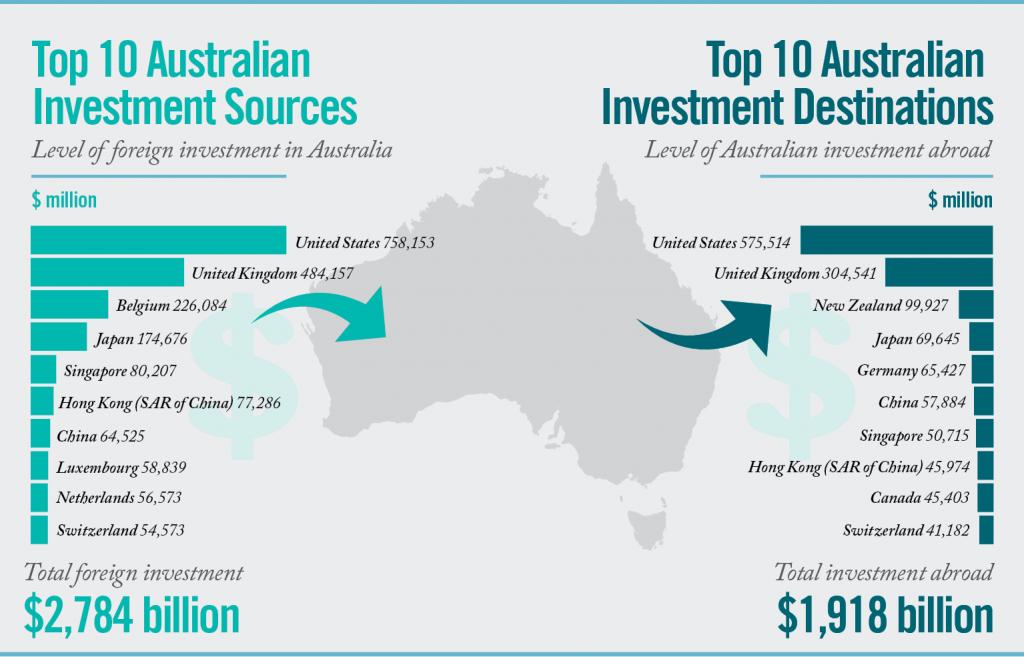
The Federal Government has also extended restrictions on foreign investors purchasing established residential homes until 2029.
However, foreign investment remains permitted in:
The objective is to ensure foreign capital supports the creation of new housing stock rather than competing for existing residential properties.
This policy is expected to further increase demand for development projects and newly constructed housing across key Australian markets.

The 2026 Budget reforms are likely to influence the Australian property market in several important ways.
Newly constructed homes and off-the-plan developments may become increasingly attractive due to retained tax advantages.
Without traditional negative gearing benefits on established homes, investors may place stronger emphasis on positive cashflow and rental yield performance.
Some investors may shift toward development opportunities, dual-income properties, or regions experiencing strong infrastructure growth.
Tax structuring, investment planning, and long-term financial forecasting will become more important than ever for property investors navigating the changing landscape.

In response to these reforms, investors should carefully review:
Working with experienced property professionals, accountants, and financial advisers may help investors make informed decisions in a rapidly evolving market.
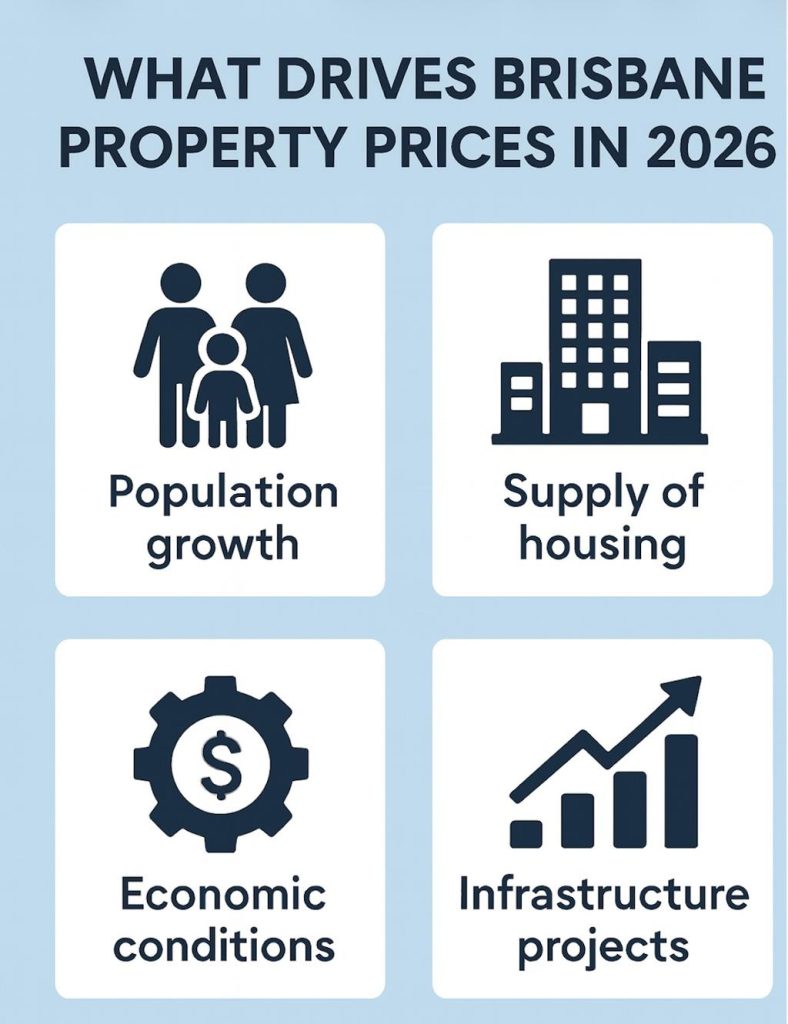
Markets with strong population growth and active construction pipelines may experience increased investor interest under the new rules.
Brisbane and South East Queensland continue to attract attention due to:
New developments in these areas may become increasingly attractive for investors seeking long-term growth combined with retained tax advantages.

The Australian Federal Budget 2026 marks a major turning point in the future of Australian property investment.
While existing investors remain protected, future investment activity is expected to increasingly favour projects that contribute to housing supply and residential development.
As the market adapts to these reforms, strategic planning, professional advice, and informed decision-making will become essential for investors seeking long-term success.
Whether you’re buying, selling, investing, or exploring development opportunities, the team at Q-PLACE Real Estate can help you navigate the changing property market with confidence.
Q-PLACE Real Estate
Experience. Integrity. Results.







Privacy & Disclaimer Copyright © 2026 Q-Place Real Estate | All Rights Reserved. Design & Developed by Q-Place