Routine Inspection Checklist: A Complete Guide for Landlords & Tenants in Queensland (2026)
Everything You Need to Know About Rental Property Routine Inspections
Successful property management necessitates regular property inspections. They give tenants a chance to talk about maintenance issues before they become costly repairs and assist landlords in ensuring that their investment property is well maintained.
Whether you’re a landlord, a tenant, or an investor in real estate, knowing what happens during a routine inspection can ease the process and reduce stress. This guide will provide landlords and tenants alike with helpful advice, a practical checklist, and an explanation of what routine inspections entail. Disclaimer: This article does not provide legal advice but rather provides general information. For the most recent inspection requirements, always refer to official guidance and tenancy legislation in Queensland.
What Is a Routine Property Inspection?
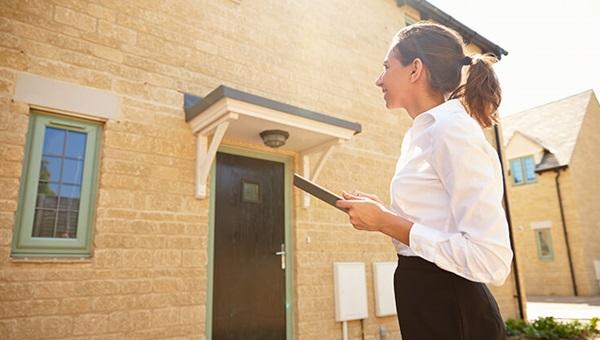
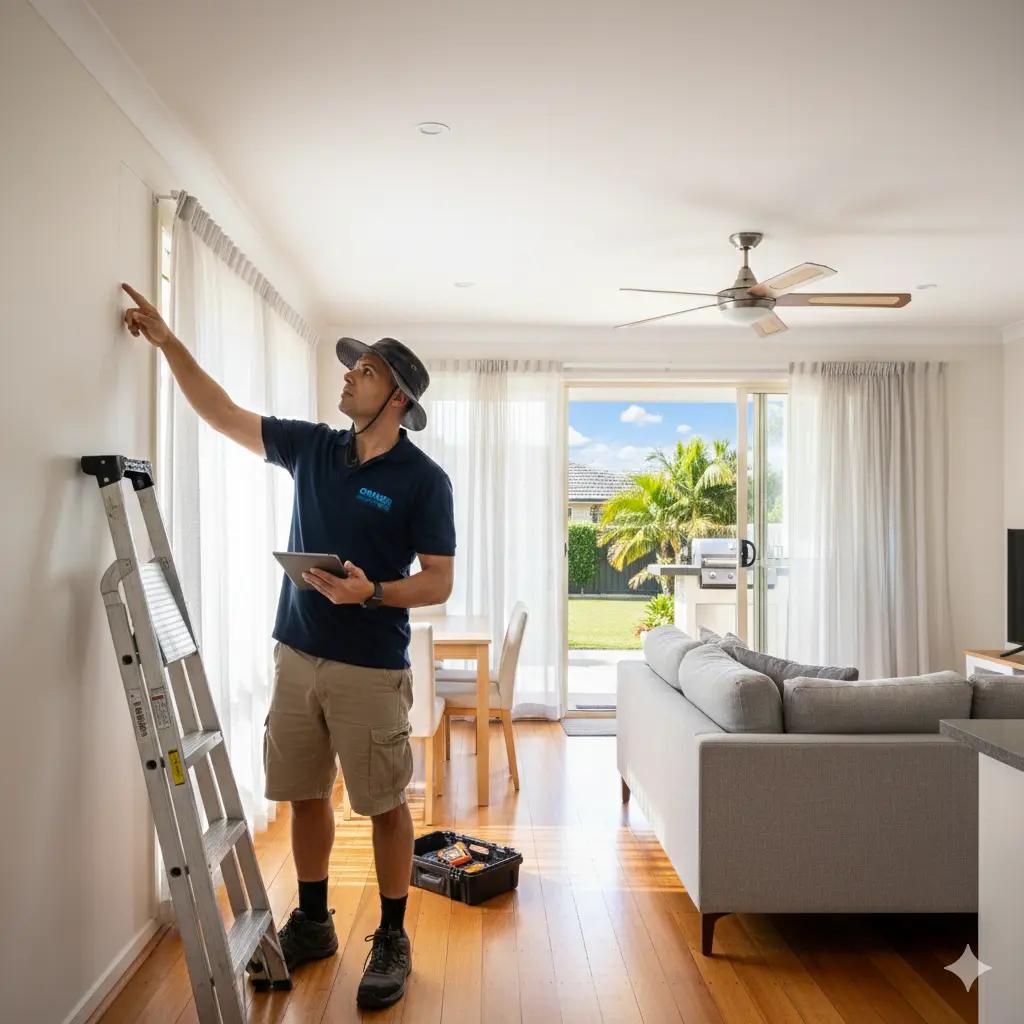
A scheduled visit by the landlord or property manager to assess the general condition of a rental property is known as a routine inspection.
- Check the property's overall condition
- Identify maintenance issues
- Ensure the property is being reasonably cared for
- Detect repairs before they become major problems
- Protect the landlord's investment
- Maintain open communication with tenants
The purpose of routine inspections is not to evaluate a tenant's housekeeping standards beyond what is required by the tenancy agreement.
Why Routine Inspections Matter
Regular inspections benefit everyone involved.
Benefits for Landlords
- Protect the property’s value
- Detect maintenance issues early
- Reduce long-term repair costs
- Monitor wear and tear
- Ensure safety concerns are addressed
Benefits for Tenants
- Report repairs promptly
- Maintain a safe living environment
- Prevent larger maintenance problems
- Demonstrate responsible tenancy
- Improve communication with the property manager
Routine Inspection Checklist
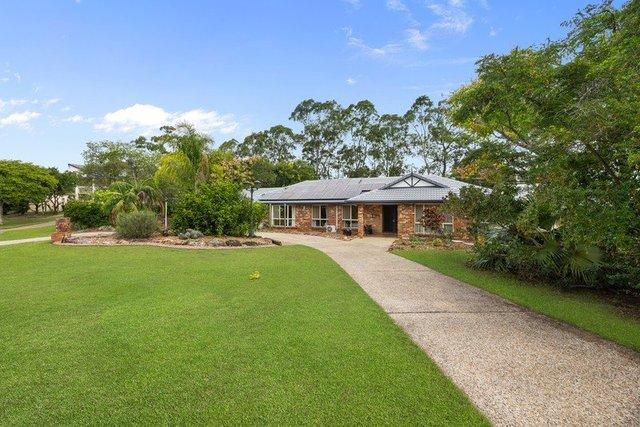
Exterior
- Roof (visible condition)
- Gutters
- Fencing
- Driveway
- Garage
- Letterbox
- Outdoor lighting
- Garden maintenance
- Lawn condition
- Trees and shrubs
- Drainage
- External walls
- Windows
- Security gates
Living Areas
- Walls
- Ceilings
- Flooring
- Carpet condition
- Windows
- Window locks
- Curtains or blinds
- Doors
- Door locks
- Power outlets
- Light switches
- Air conditioning
- Smoke alarms
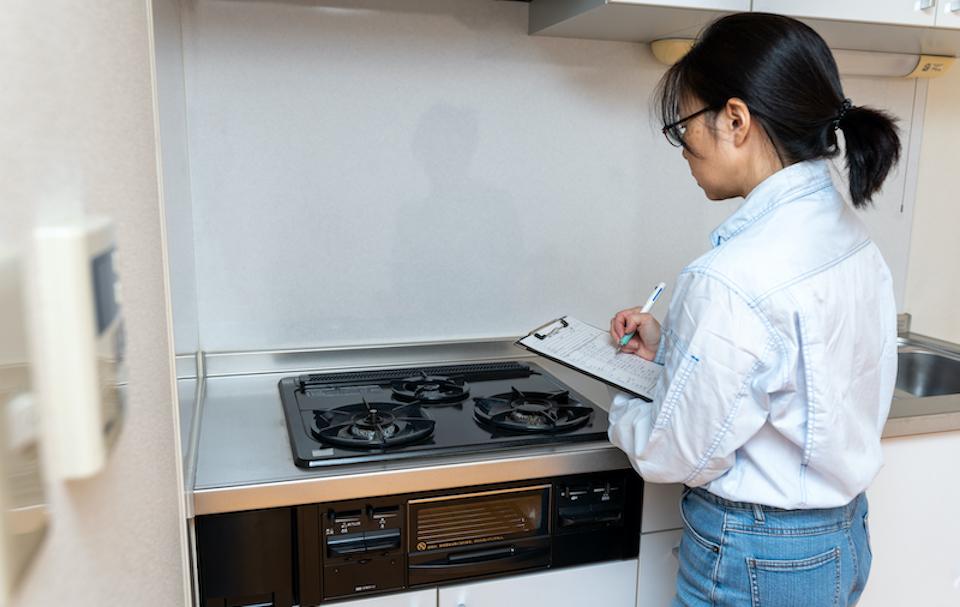
Kitchen
- Benchtops
- Cupboards
- Sink
- Mixer taps
- Oven
- Cooktop
- Rangehood
- Dishwasher
- Plumbing leaks
- Floor condition
- Wall tiles
Bathroom
- Shower
- Toilet
- Vanity
- Mirrors
- Exhaust fan
- Waterproofing (visible signs)
- Grouting
- Taps
- Plumbing leaks
- Mould or moisture
- Ventilation
Bedrooms
- Carpet
- Built-in wardrobes
- Windows
- Locks
- Walls
- Ceiling
- Smoke alarms (where applicable)
- Lighting
- Doors
Laundry
- Taps
- Plumbing
- Laundry tub
- Drainage
- Washing machine connections
- Floor condition
- Ventilation
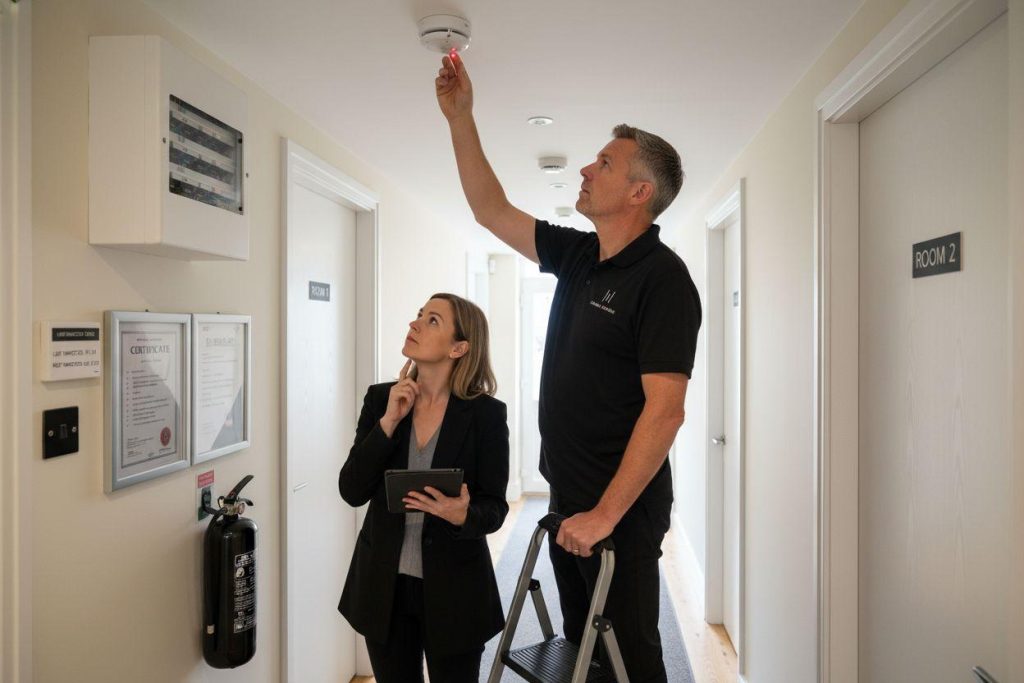
Safety Items
- Smoke alarms appear operational
- Safety switches are present where required
- External lighting functions
- Handrails are secure
- Trip hazards are identified
- Locks function correctly
- Windows operate safely
What Property Managers Usually Photograph
During routine inspections, property managers may document the condition of:
- Living areas
- Kitchen
- Bathrooms
- Bedrooms
- Gardens
- Exterior
- Maintenance concerns
- Damage requiring attention
Photos help maintain accurate inspection records.
What Tenants Should Do Before an Inspection
To help the inspection run smoothly:
- Clean the property.
- Mow the lawn (if required).
- Replace light bulbs if the tenancy agreement requires it.
- Report maintenance issues in advance.
- Secure pets.
- Ensure easy access to all rooms.
Keep in mind that perfection is not the primary objective of the inspection.
Common Maintenance Issues Found
Some of the most common issues identified during inspections include:
- Leaking taps
- Blocked gutters
- Broken blinds
- Damaged flyscreens
- Water damage
- Mould
- Cracked tiles
- Faulty smoke alarms
- Fence damage
- Garden overgrowth
Addressing these issues early can reduce repair costs.
Tips for Landlords
- Keep detailed inspection records.
- Schedule inspections at appropriate intervals.
- Respect tenant privacy.
- Provide required notice before entry.
- Arrange repairs promptly.
- Maintain open communication.
Final Thoughts
Routine property inspections are an essential part of effective property management. They help protect rental properties, identify maintenance issues early, and encourage positive communication between landlords and tenants.
By understanding what inspectors look for and preparing in advance, both landlords and tenants can ensure inspections are efficient, fair, and productive.
Professional Property Management with Q Place Real Estate
At Q Place Real Estate, we provide professional property management services across Brisbane and South East Queensland. From routine inspections and maintenance coordination to tenant communication and legislative compliance, our experienced team helps landlords protect their investments while supporting positive tenancy experiences.
We are here to assist you, whether you are a tenant looking for a well-managed rental property or a landlord looking for dependable property management. Visit https://qplace.com.au to learn more about our property management services, request a rental appraisal, or speak with one of our experienced Brisbane property professionals.