A Complete Guide for Brisbane Apartment and Townhouse Owners
Body Corporate Explained 2026
If you're considering buying an apartment, townhouse, or unit in Brisbane, you've likely come across the term body corporate.
For many first-time buyers and investors, body corporate rules, fees, and responsibilities can seem confusing. However, before purchasing a property in a strata-titled development, it is essential to comprehend how a body corporate operates. What a body corporate is, how it works, what fees cover, and what property owners should know in 2026 are all covered in this guide.
What Is a Body Corporate?
A body corporate is the legal entity responsible for managing and maintaining the common property within a strata-titled development.Common property may include:
- Hallways
- Lifts
- Swimming pools
- Gyms
- Gardens
- Driveways
- Shared roofs
- Visitor parking areas
When you buy a townhouse, apartment, or unit in a community titles scheme, you automatically join the corporation. In Queensland, body corporates are regulated under the Body Corporate and Community Management framework.
Why Does a Body Corporate Exist?
The primary purpose of a body corporate is to ensure shared areas are maintained properly and that the development remains safe, functional, and attractive.
Responsibilities typically include:
- Property maintenance
- Building insurance
- Financial management
- By-law enforcement
- Common area repairs
- Contractor management
- Long-term capital planning
Without a body corporate, maintaining shared facilities would be significantly more difficult.
What Are Body Corporate Fees?
Body corporate fees (sometimes called levies) are regular contributions paid by property owners.
These funds are used to maintain and operate the development.
Fees vary depending on factors such as:
- Building size
- Number of lots
- Amenities provided
- Building age
- Maintenance requirements
Properties with extensive facilities often have higher body corporate fees.
What Do Body Corporate Fees Cover?
Common expenses may include:
Building Insurance
Insurance for common property and shared structures.
Cleaning and Maintenance
Maintenance of common areas.
Gardening and Landscaping
Care of shared outdoor spaces.
Lift Maintenance
Servicing and repairs of elevators.
Pool and Gym Maintenance
Upkeep of communal facilities.
Administrative Costs
Management and operational expenses.
Sinking Fund Contributions
Long-term savings for major future repairs and upgrades.
What Is a Sinking Fund?
A sinking fund is a reserve fund set aside for major future expenses.
- Roof replacement
- Painting projects
- Lift upgrades
- Structural repairs
- Waterproofing works
A healthy sinking fund helps reduce the likelihood of unexpected special levies.
What Are Special Levies?
Sometimes unexpected expenses arise that exceed available funds.
- Emergency repairs
- Major building defects
- Storm damage
- Significant infrastructure upgrades
In these situations, owners may be required to contribute additional funds through a special levy.
Before purchasing a property, buyers should review body corporate records to identify potential risks.
Body Corporate Rules and By-Laws
Body corporates establish by-laws that govern how residents use the property.
Common by-laws may address:
- Noise levels
- Parking rules
- Pet ownership
- Balcony usage
- Waste disposal
- Short-term accommodation
- Property modifications
Owners and tenants are generally required to comply with these rules.
How Body Corporate Committees Work
Most schemes elect a committee made up of owners.
Committee responsibilities may include:
- Decision-making
- Budget approvals
- Contractor selection
- Maintenance planning
- Governance matters
Annual general meetings provide opportunities for owners to vote on important issues.
Advantages of Living in a Body Corporate Community
Shared Maintenance
Owners do not need to manage common area maintenance individually.
Amenities
Access to facilities such as pools and gyms.
Insurance Coverage
Building insurance is generally managed collectively.
Community Standards
By-laws can help maintain presentation and property standards.
Security
Many developments offer controlled access and security features.
Potential Disadvantages
Potential considerations include:
Ongoing Fees
Regular levies increase ownership costs.
Rules and Restrictions
Owners may face limitations on renovations or property use.
Special Levies
Unexpected expenses can occasionally occur.
Shared Decision-Making
Not all owners may agree on management decisions.
What Buyers Should Check Before Purchasing
Before buying a property in a body corporate scheme, review:
- Annual budgets
- Sinking fund balance
- Meeting minutes
- Insurance arrangements
- Current by-laws
- Planned maintenance works
- History of special levies
This due diligence can help avoid unexpected surprises after purchase.
Body Corporate and Property Investment
For investors, body corporate arrangements can offer advantages through professional management of common areas.
However, investors should also consider:
- Levy costs
- Rental demand
- Building quality
- Long-term maintenance obligations
These factors influence overall investment performance.
Brisbane Apartment Market and Body Corporate Trends
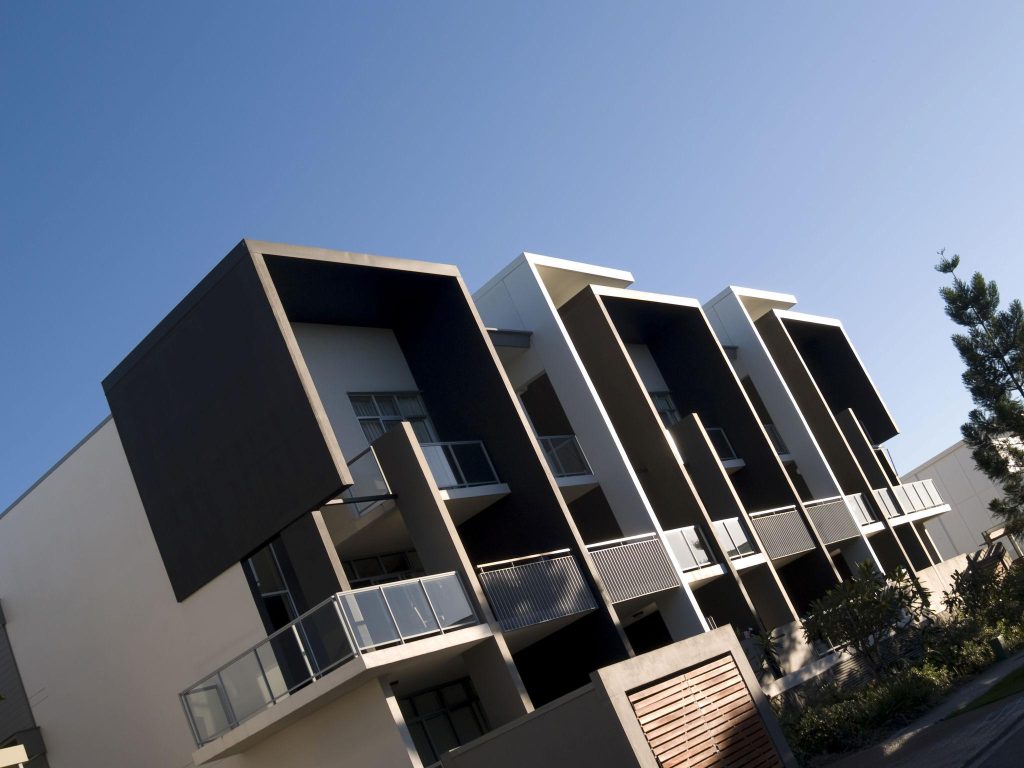
As apartment and townhouse living continues growing across Brisbane, body corporates play an increasingly important role in maintaining property values and resident satisfaction.Suburbs such as:
- South Brisbane
- Newstead
- West End
- Kangaroo Point
- Fortitude Valley
contain many strata developments where understanding body corporate responsibilities is essential.
Final Thoughts
In Brisbane, owning an apartment, townhouse, or unit requires a body corporate. Buyers and investors can benefit from having an understanding of governance structures, fees, bylaws, sinking funds, maintenance responsibilities, and sinking funds. Always carefully examine the records of the body corporate before purchasing any strata property, and if necessary, seek professional advice.
Looking to Buy an Apartment or Investment Property?
Q Place Real Estate can guide you through Brisbane's apartment market, explain body corporate obligations, and locate properties in South East Queensland that meet your investment or lifestyle objectives.








 Auction vs Private Treaty in Queensland
 Top Home Selling Mistakes
 Australian Federal Budget 2026 – Major Property Investment Changes Explained
 Queensland Property Selling Guide 2026
 Sell House Faster Brisbane
 Property Staging Tips 2026
 Smoke Alarm Laws Queensland 2026
 Best Time to Sell Property 2026