Understanding Property Market Cycles in Brisbane and How They Affect Buyers, Sellers, and Investors
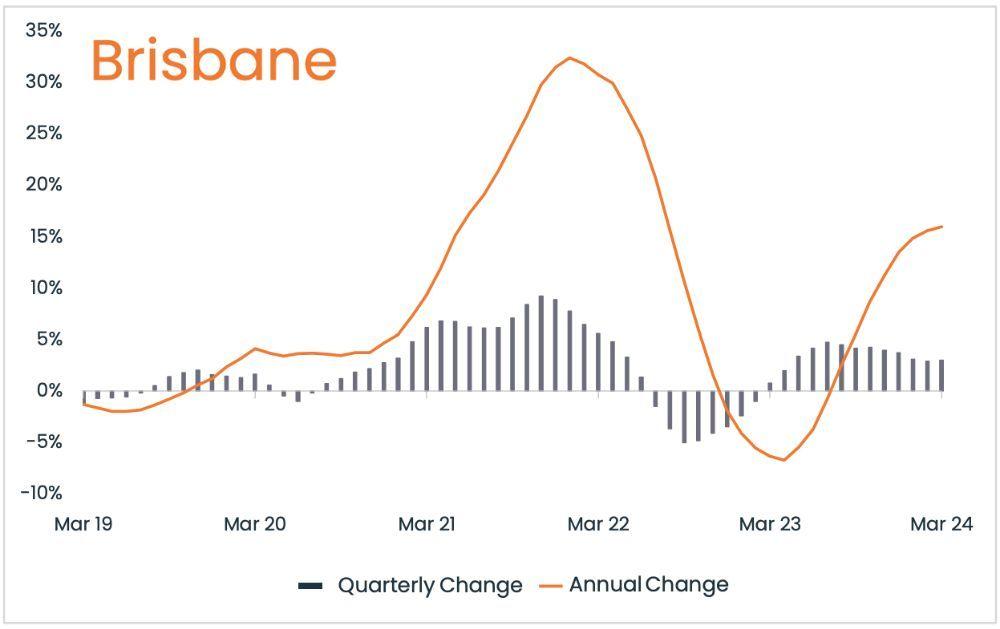
Brisbane Property Cycle 2026
Over the past few years, the property market in Brisbane has grown significantly, attracting the attention of homeowners, investors, developers, and buyers from out of state.
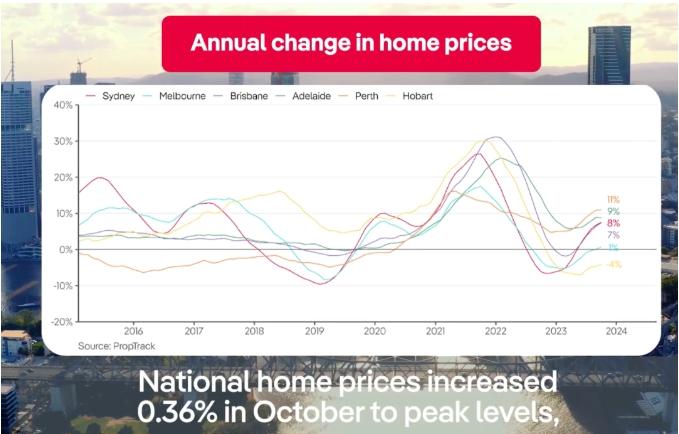
However, Brisbane's real estate market, like all others, fluctuates. Instead, it follows a property cycle, which has several phases that have an impact on prices, buyer demand, rental markets, and investment opportunities.
Buyers and sellers alike can benefit from a better understanding of Brisbane's position in the property cycle, as can investors who are looking for potential opportunities. We will go over the fundamental phases of the Brisbane property cycle, as well as what buyers and investors should keep an eye out for in 2026, in this guide.
What Is a Property Cycle?
The natural rise and fall of real estate market conditions over time is referred to as a property cycle.Property values do not increase continuously. Instead, markets move through periods of:
- Growth
- Peak performance
- Market correction
- Recovery
Market, demographic, and economic factors influence these cycles.
Property owners and investors can make better decisions with the assistance of an understanding of these stages.
Why Property Cycles Matter
Property cycles influence:
Property Values
Rental Demand
Buyer Competition
During growth phases, competition frequently rises.
Investment Opportunities
Investors looking for value may find opportunities at certain stages.
Lending Conditions
Property market activity is frequently influenced by interest rates and lending policies.
The Four Main Stages of the Property Cycle
1. Recovery Phase
After a market decline, the recovery phase begins.Characteristics may include:
- Stable or slowly increasing prices
- Lower buyer confidence
- Reduced sales activity
- Improving economic conditions
Buyers looking for value may find opportunities at this stage prior to broader market expansion.
2. Growth Phase
The growth phase is often characterised by:
- Rising property prices
- Strong buyer demand
- Increased sales activity
- Low vacancy rates
- Growing investor interest
During this time, many property owners see significant capital growth.
Media attention and increased market participation are frequently attracted during growth phases.
3. Peak Phase
- Price growth begins to slow
- Buyer affordability becomes a concern
- Supply may increase
- Competition may soften
The rate of growth frequently slows while prices may continue to rise.
4. Correction Phase
A correction phase may involve:
- Slower sales activity
- Price stabilisation
- Reduced buyer demand
- Increased negotiation opportunities
Not all corrections result in significant price drops. Some simply signify times when the market was adjusting and growth was slower.
What Drives Brisbane's Property Cycle?
Population Growth
Queensland continues to attract international and interstate residents. Housing is in high demand as the population grows.
Employment Growth
Housing demand and buyer confidence often benefit from employment markets that are strong.
Interest Rates
Lower interest rates might make it easier to borrow money and make it more affordable. Buyer activity may be reduced by higher rates.
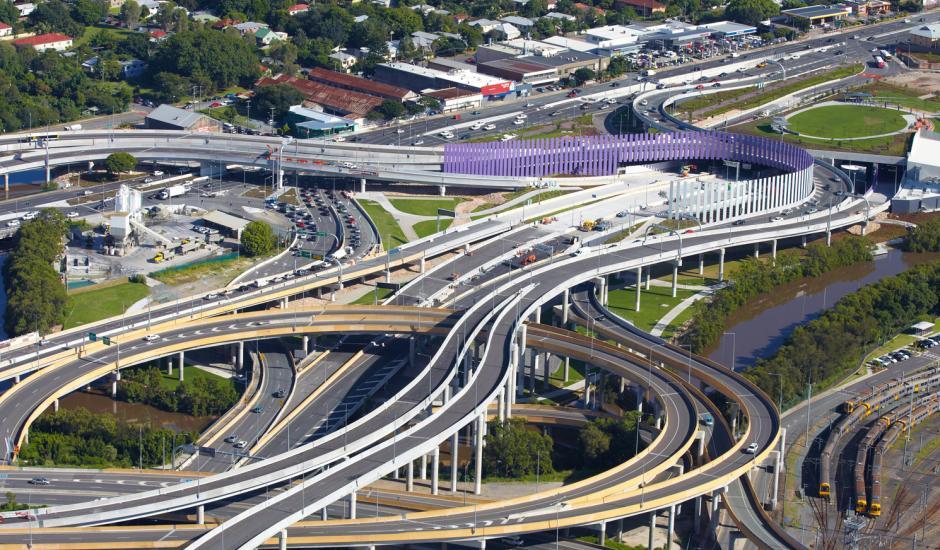
Infrastructure Investment
Major infrastructure projects can influence:
- Property values
- Housing demand
- Economic activity
- Future development opportunities
Significant investments in infrastructure continue to benefit Brisbane.
Housing Supply
Prices for real estate are significantly affected by the equilibrium between supply and demand.
Values often rise as a result of a lack of housing options.
Consumer Confidence
Market activity is influenced in significant part by buyer sentiment.
Buyers who are confident are typically more willing to enter the market.
Brisbane Property Cycle History
Over the past two decades, Brisbane has experienced multiple market cycles influenced by:
- Economic conditions
- Population growth
- Interest rate changes
- Infrastructure investment
- National housing trends
Brisbane has historically demonstrated resilience and the potential for long-term growth, even in the face of short-term fluctuations.
Where Is Brisbane in the Property Cycle in 2026?
Despite the fact that market conditions vary by suburb and type of property, the following factors continue to support Brisbane's property market:
- Strong population growth
- Interstate migration
- Infrastructure spending
- Rental shortages in many areas
- Ongoing housing demand
It's possible that different suburbs will be in different stages of the cycle at the same time. Apartment markets, family-home markets, growth corridors, premium suburbs, and growth corridors can all perform differently.
How Buyers Can Use Property Cycles
Buyers can benefit from understanding market cycles by:
Identifying Opportunities
Understanding Competition
Planning Long-Term
Owning a home is frequently a long-term commitment. Owner-occupiers may place less emphasis on short-term fluctuations.
How Investors Can Use Property Cycles
- Rental demand
- Vacancy rates
- Infrastructure projects
- Population growth
- Market supply
Understanding cycles may assist in identifying potential growth areas in the future. However, successful investing necessitates more than just market predictions.
Common Property Cycle Myths
Myth: Property Prices Always Rise
Markets go through growth and change phases.
Myth: You Can Perfectly Time the Market
It is extremely difficult to accurately predict peaks and troughs.
Myth: Every Suburb Performs the Same
The market is frequently different in different suburbs.
Myth: Short-Term Movements Are Most Important
Property performance is frequently influenced more by long-term fundamentals.
Tips for Navigating the Brisbane Property Cycle
Focus on Long-Term Goals
Research Local Markets
Understand Your Financial Position
Avoid Emotional Decisions
Monitor Infrastructure Developments
Seek Professional Advice
Consider Lifestyle Factors
Conduct Thorough Due Diligence
Rather than speculating, preparation is frequently used to make successful property decisions.
Final Thoughts
Economic conditions, population growth, infrastructure investment, housing supply, and buyer confidence all have an impact on the Brisbane property cycle.
Buyers, sellers, and investors can make better decisions if they know how property cycles work. Understanding the fundamentals of the Brisbane property cycle provides valuable insights into market conditions and potential opportunities, despite the fact that no one can accurately predict market movements.
Focusing on long-term objectives and market fundamentals remains one of the most effective strategies, whether you’re buying your first home, selling a property, or building an investment portfolio.
Need Expert Property Advice?
We at Q-Place Real Estate help investors, buyers, and sellers navigate Brisbane’s ever-changing real estate market.
In order to assist you in making confident real estate decisions, our knowledgeable team provides insights into the local market, advice specific to the suburb, and professional direction.
Discuss your property goals and discover opportunities in Brisbane and South East Queensland by contacting Q Place Real Estate right away.