


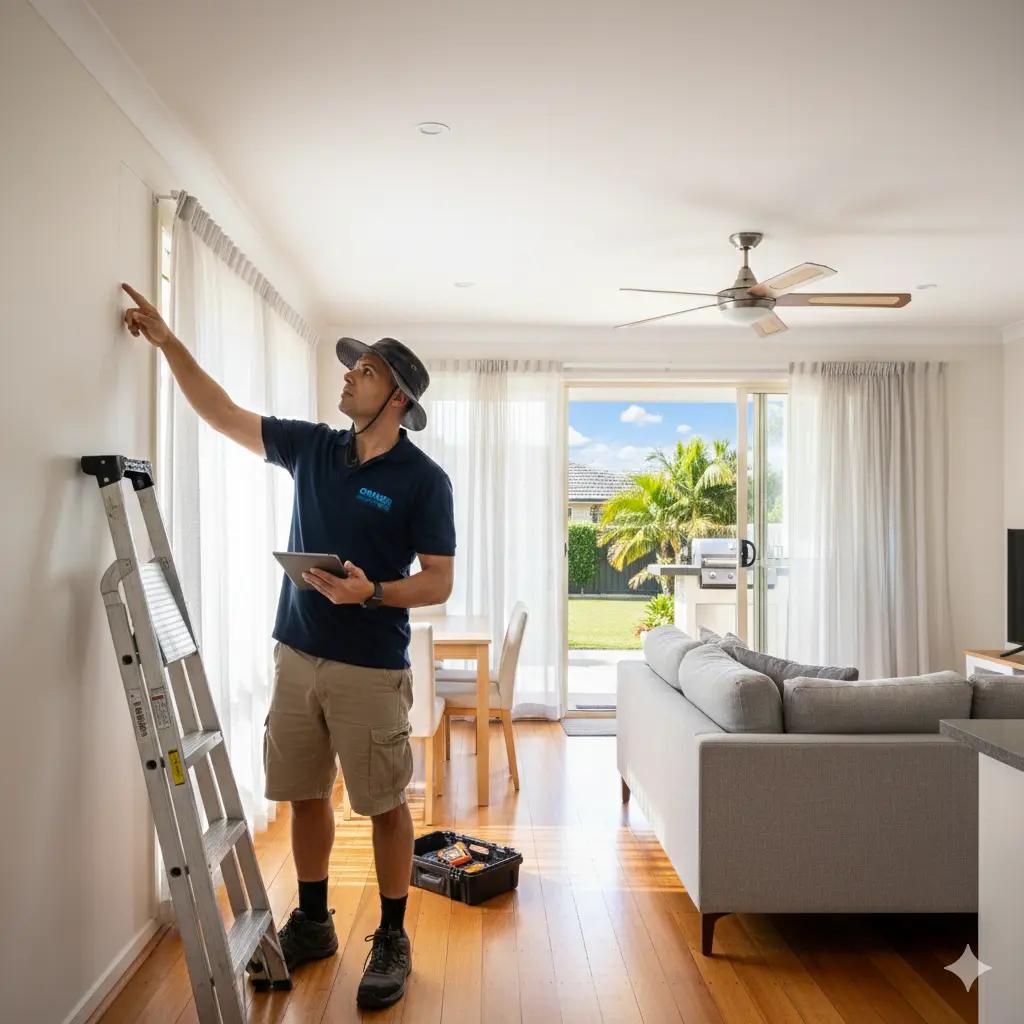
Building & Pest Inspection Guide (2026)

Building & Pest Inspection Guide (2026) — Everything Buyers in Australia Must Know

Buying a property is exciting, but it can quickly turn risky if hidden issues are missed. A building and pest inspection is one of the most important steps before finalising any property purchase in Australia.

This guide explains what it is, why it matters, what inspectors check, and how it protects your investment—especially for buyers and investors using platforms like Q-Place.

What Is a Building & Pest Inspection?

A building and pest inspection is a professional assessment of a property’s:

  • Structural condition (building inspection)
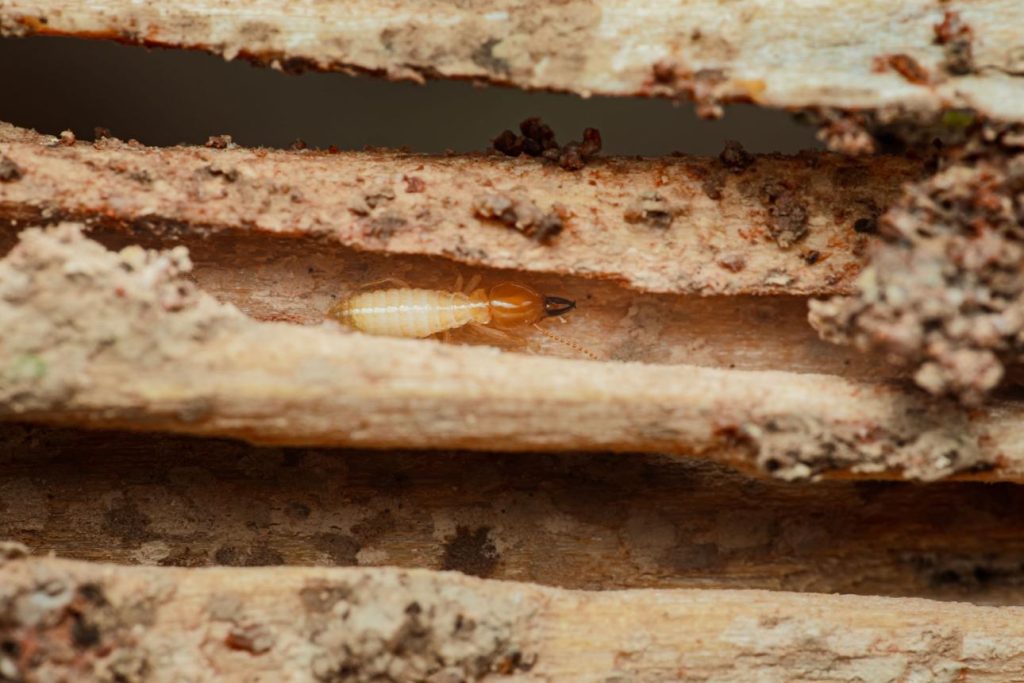
  • Timber pests like termites, borers, and wood decay fungi (pest inspection)

It helps identify hidden defects that are not visible during a normal property viewing.

Why Building & Pest Inspections Are Important

Skipping inspection may save a few hundred dollars—but it can cost tens of thousands later.

Key benefits:

  • Detect structural damage early
  • Identify termite or pest infestations
  • Strengthen negotiation power on price
  • Avoid unsafe or uninhabitable homes
  • Plan renovation costs accurately

For investors using platforms like Q-Place, this step is critical before final purchase decisions.

Ready to Make Your Next Property Move?

Common Issues Found in Inspections

Many properties look perfect on the surface but hide serious problems.

Typical findings include:

  • Termite damage in walls or flooring
  • Cracks in foundations or brickwork
  • Roof leaks and water damage
  • Poor drainage causing dampness
  • Faulty plumbing or electrical risks

When Should You Get an Inspection?

You should book a building & pest inspection:

  • Before signing a purchase contract (ideal)
  • During cooling-off period (common in Australia)
  • Before auction bidding (pre-auction inspection)
  • Before major renovation purchases

👉 Tip: Never rely only on seller disclosures.

What Inspectors Actually Check

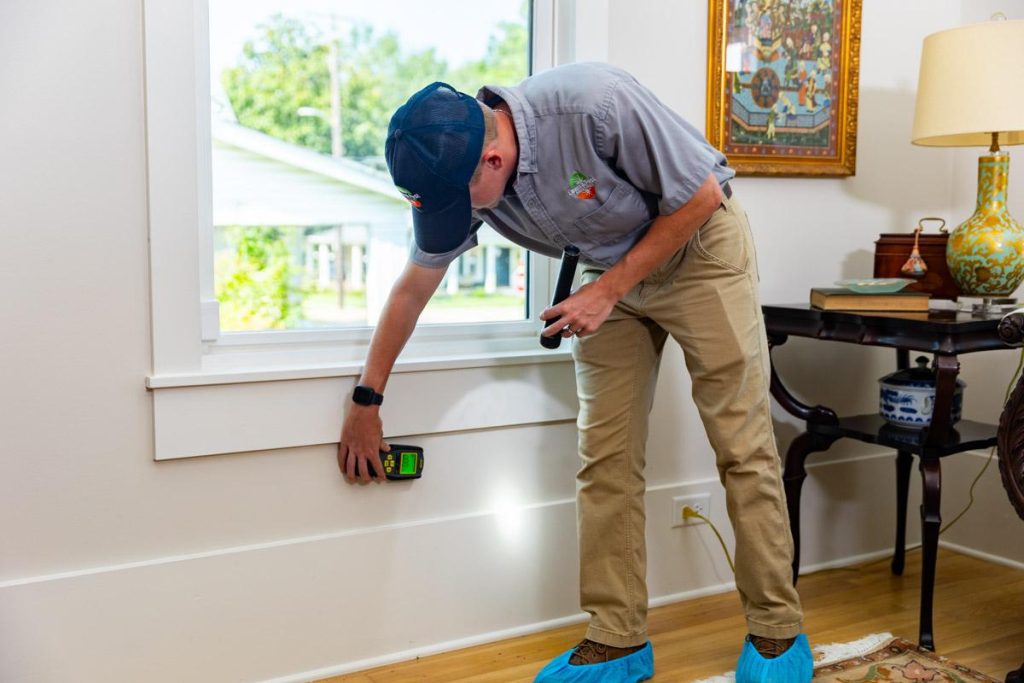
A licensed inspector evaluates both inside and outside the property.

Exterior:
  • Walls, paint, and cracks
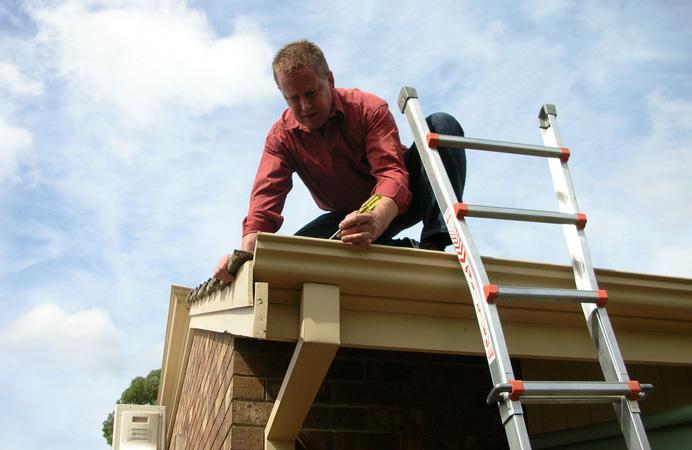
  • Roof condition
  • Gutters and drainage
  • Fencing and structural stability
Interior:
  • Ceilings and walls
  • Floors and tiling
  • Doors and windows alignment
  • Moisture and leaks
Ready to Make Your Next Property Move?
Pest Areas:
  • Roof void
  • Subfloor
  • Timber structures
  • Garden and surrounding soil

Cost of Building & Pest Inspection in Australia

The cost depends on property size and location:

  • Small apartment: AUD 250 – 400
  • House: AUD 400 – 700
  • Large or complex properties: AUD 700 – 1,200+

💡 Considering the risk of hidden damage, this is a very small investment.

Red Flags You Should Never Ignore

If an inspection report shows these issues, be careful:

  • Active termite infestation
  • Major structural cracks
  • Severe rising damp
  • Roof instability
  • Unapproved renovations

These can significantly reduce property value or make it unsafe.

Ready to Make Your Next Property Move?

How This Helps Buyers on Q-Place

For buyers using Q-Place, inspection reports help you:

  • Compare properties more confidently
  • Negotiate better deals with sellers
  • Avoid high-risk listings
  • Estimate renovation ROI accurately

Final Thoughts

A building and pest inspection is not just a formality—it is a financial safety net.

Before purchasing any property, always ensure:

✔ Independent inspection

✔ Licensed inspector

✔ Full written report

✔ Clear understanding of risks

It could save you from one of the most expensive mistakes in property buying.

  • Trending Posts

    • All Posts
    • Brisbane Property Market
    • Buying Tips
    • Property Inspection
    • Property Investment
    • Property Management
    • Renting Tips
    • Selling Property
    • Selling Tips
    • Suburb Guides
  • Blog Category

  • Find Your Dream Home

    Keep in Touch

  • Frequently Asked Questions

    What is Building & Pest Inspection Guide (2026) about?

    Building & Pest Inspection Guide (2026) explains important property information for buyers, sellers, investors, and homeowners. This guide covers the main points in simple language so readers can understand the topic clearly and make better real estate decisions. In this article, the key content includes: Building & Pest Inspection Guide (2026) — Everything Buyers in Australia Must Know Buying a property is exciting, but it can quickly turn risky if hidden issues are missed. A building and pest inspection is one of the most important steps before finalising any property purchase in Australia.This guide explains what it is, why it.

    Why is Building & Pest Inspection Guide (2026) important in real estate?

    Building & Pest Inspection Guide (2026) is important because property decisions usually involve budget, timing, location, legal checks, and market conditions. Understanding these points can help readers avoid mistakes and plan their next step with more confidence. Related category: Uncategorized.

    Who should read this guide on Building & Pest Inspection Guide (2026)?

    This guide is useful for home buyers, sellers, landlords, tenants, investors, and anyone researching the property market. It is also helpful for people comparing suburbs, preparing to sell, or checking investment opportunities.

    What should I check before making a decision?

    Before making a property decision, check the location, property condition, budget, market demand, future growth potential, legal documents, and professional advice. These checks can reduce risk and help you choose the right option.

    How can QPlace help with Building & Pest Inspection Guide (2026)?

    QPlace can help by providing property guidance, local market knowledge, selling support, buying advice, and practical real estate information. Professional support can make the process easier and more organised.

    What are the common mistakes to avoid?

    Common mistakes include rushing the decision, ignoring property research, not checking costs properly, skipping professional advice, and not comparing similar properties. Careful planning helps avoid unnecessary stress and expense.