A Complete Guide to Purchasing Vacant Land in Queensland
Buying Land Queensland 2026
Purchasing vacant land can be an exciting opportunity for homebuyers, investors, and developers. Whether you're planning to build your dream home, create an investment property, or secure land for future development, buying land in Queensland requires careful research and planning.
Unlike purchasing an established home, land buyers must consider zoning, services, access, environmental factors, and future development potential before making a commitment.
Everything you need to know about buying land in Queensland in 2026 is covered in this guide.
Why Buy Land in Queensland?
Queensland continues attracting buyers due to its growing population, strong economy, and lifestyle appeal.
Benefits of buying land include:
- Opportunity to build a custom home
- Potential long-term capital growth
- Greater design flexibility
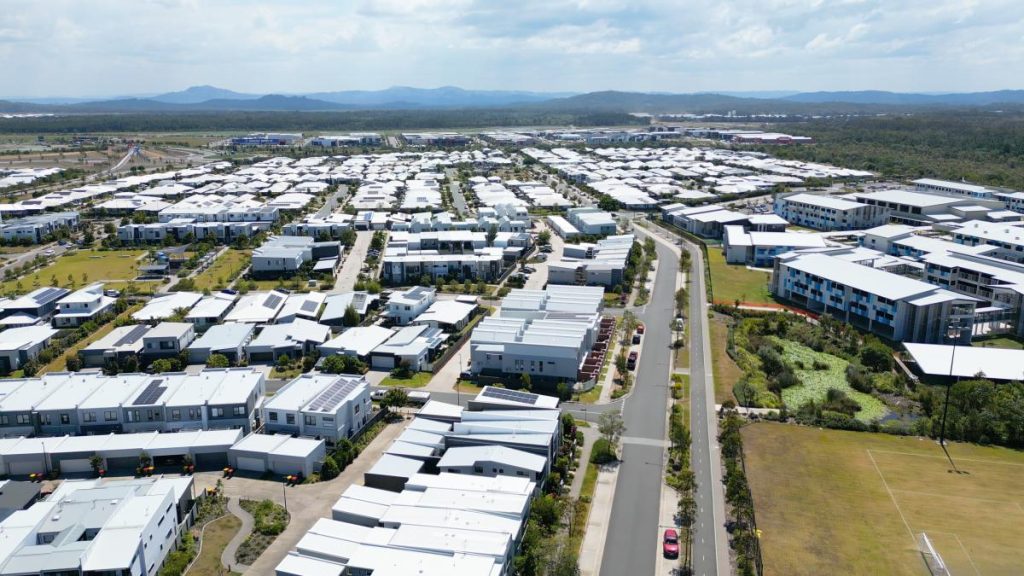
- New housing estates and developments
- Investment opportunities
Owning land is seen by many buyers as a way to ensure growth in the future and create a property that meets their specific requirements.
Types of Land Available
Land purchases may include:
Residential Land
Suitable for building a home.
Acreage Land
Offers larger lots and rural lifestyle opportunities.
Development Sites
Purchased for subdivision or future development.
Investment Land
Held for future resale or development potential.
Prior to making a purchase, it is essential to comprehend the intended use of the land.
Understanding Zoning
One of the most important steps when buying land is reviewing zoning regulations.
Zoning determines:
- Permitted land use
- Building restrictions
- Development opportunities
- Future planning requirements
Planning controls and zoning are governed by local councils. Before purchasing, buyers should confirm that the land supports their intended use.
Check Access to Services
Not all land has immediate access to essential services.
Check availability of:
- Water
- Electricity
- Sewerage
- Internet
- Stormwater infrastructure
The total budget for a project can be significantly impacted by connection costs.
Land Size and Shape
The size and dimensions of a block influence:
- Building design
- Landscaping options
- Vehicle access
- Future extensions
Before purchasing, irregularly shaped blocks should be evaluated for their potential to pose design difficulties.
Soil and Site Conditions
Before buying land, investigate:
Soil Quality
May affect construction costs.
Slope and Topography
Steep sites can increase building expenses.
Drainage
Additional engineering solutions may be required for poor drainage. Professional site assessments can assist in the early detection of potential issues.
Flood and Environmental Considerations
Queensland buyers should carefully review:
- Flood overlays
- Bushfire zones
- Environmental restrictions
- Vegetation protections
Having a solid understanding of these aspects aids in avoiding unexpected expenditures and restrictions.
Building Covenants and Restrictions
Some estates impose building covenants that regulate:
- Home design
- Building materials
- Minimum dwelling size
- Construction timeframes
Review all covenant documentation before committing to a purchase.
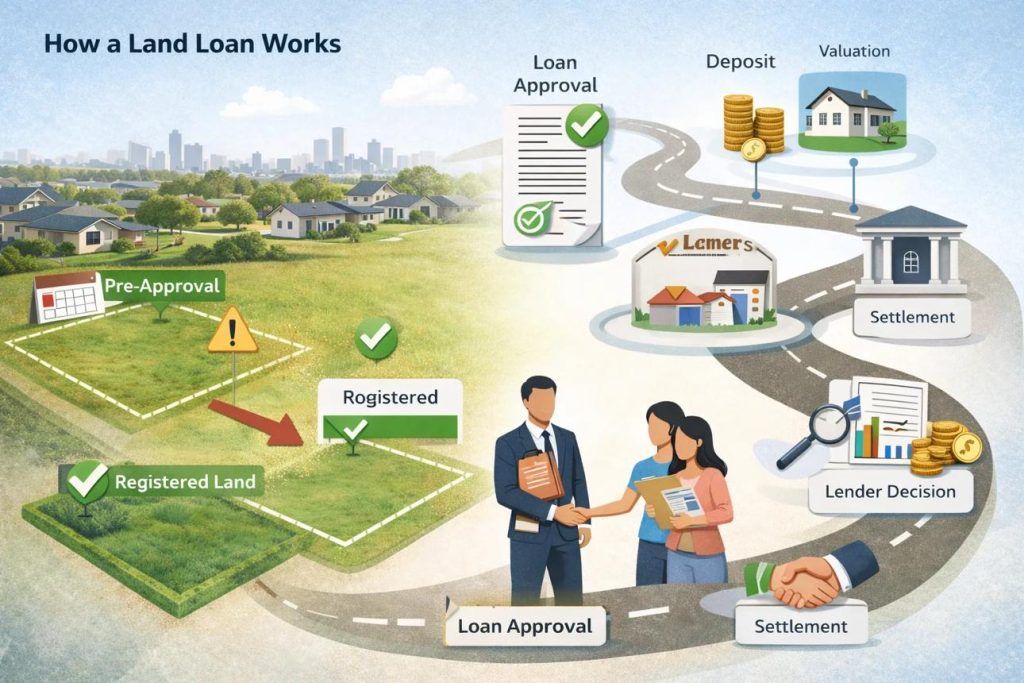
Finance for Land Purchases
Land loans often differ from standard home loans.
Buyers should:
- Obtain finance pre-approval
- Understand deposit requirements
- Compare lenders
- Budget for future construction costs
A mortgage broker can help you find the right financing options.
Costs Beyond the Purchase Price
Many first-time buyers underestimate additional costs.
These may include:
- Stamp duty
- Legal fees
- Survey costs
- Soil testing
- Utility connections
- Site preparation
- Construction approvals
A detailed budget is essential before purchasing land.
Buying Land for Investment
Investors may purchase land for:
- Future development
- Capital growth
- Land banking strategies
Key considerations include:
- Population growth
- Infrastructure investment
- Future zoning changes
- Local market demand
Researching growth corridors can help identify opportunities.
Popular Areas for Land Purchases in Queensland
Land buyers often explore areas experiencing:
- Population growth
- New infrastructure
- Housing demand
- Future development
Owner-occupiers and investors alike may find investment opportunities appealing in emerging suburbs and growth corridors.
Common Mistakes When Buying Land
Avoid:
Ignoring Zoning Restrictions
Always confirm permitted land uses.
Underestimating Construction Costs
Building expenses can exceed expectations.
Skipping Due Diligence
Research all planning and environmental factors.
Focusing Only on Price
Consider long-term value and suitability.
Overlooking Service Connections
Infrastructure costs can be substantial.
Queensland Land Market Trends 2026
Current trends include:
- Continued demand for residential land
- Expansion of new housing estates
- Population growth supporting development
- Strong interest from interstate buyers
- Increased focus on growth corridors
Demand for quality land remains strong across many Queensland regions.
Final Thoughts
Homeowners, investors, and developers can take advantage of exciting opportunities when purchasing land in Queensland. However, success depends on thorough research, proper due diligence, and careful planning.
By understanding zoning, infrastructure, environmental considerations, financing requirements, and future development potential, buyers can make informed decisions and avoid costly mistakes.
Whether you're building your dream home or investing for the future, the right block of land can provide significant long-term value.
Looking to Buy Land in Queensland?
The team at Q Place Real Estate can help you identify suitable land opportunities, understand local market conditions, and navigate the purchasing process with confidence. For expert guidance on purchasing land in Brisbane and South East Queensland, get in touch with us right away.