Should You Buy an Investment Property or Your Family Home First?
Investment vs Family Home: Which Property Should You Buy First?
In Brisbane's real estate market, one of the most frequently asked questions is whether to buy a family home or an investment property first.
The advantages, challenges, and long-term financial ramifications of each option are distinct. Owning a family home provides stability, benefits to one's lifestyle, and emotional fulfilment for some buyers.
Others may benefit from entering the real estate market sooner by purchasing an investment property first. Your financial situation, lifestyle objectives, risk tolerance, and long-term plans all play a role in determining which option is best.
To help you make a more educated decision, this guide looks at the main differences between buying a family home and an investment property.
Understanding the Difference
What Is a Family Home?
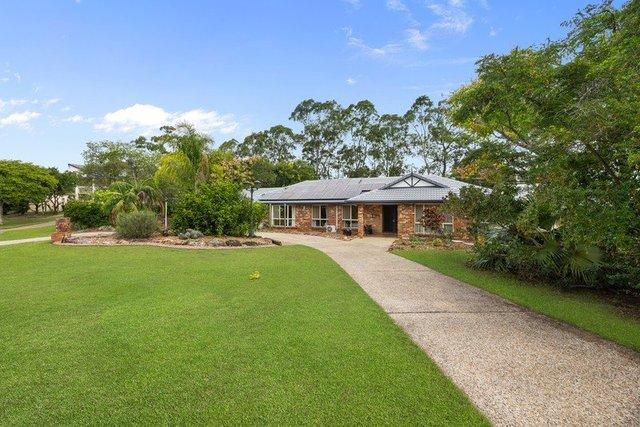
You buy a home for your family primarily to live in.
Benefits often include:
- Stability
- Lifestyle improvements
- Personal enjoyment
- Long-term security
- Freedom to renovate and personalise
Beyond financial considerations, a family home is worth a lot more than just money.
What Is an Investment Property?
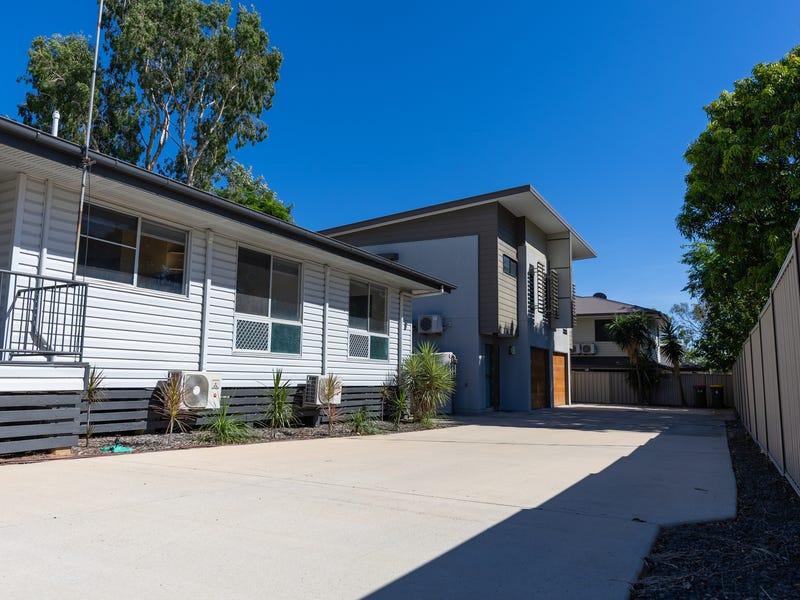
The primary purpose of purchasing an investment property is to generate income and potential capital growth.
Common objectives include:
- Rental income
- Long-term wealth creation
- Portfolio growth
- Capital appreciation
- Financial diversification
Personal preferences are rarely taken into consideration when making investment decisions.
Benefits of Buying a Family Home First
Lifestyle Stability
Your family benefits from security and stability when you own your own home.You can:
- Stay long-term
- Avoid rent increases
- Personalise the property
- Establish community connections
Emotional Satisfaction
The satisfaction and pride that come with owning a home are highly prized by many.
For families, owning a home often represents:
- Achievement
- Security
- Independence
Freedom to Renovate
Homeowners typically have the ability to renovate and enhance their property in accordance with their preferences, as opposed to rental properties.
Long-Term Capital Growth
Long-term market appreciation may benefit many owner-occupied properties.
Challenges of Buying a Family Home First
Larger Financial Commitment
A larger down payment and mortgage may be required for family homes in desirable suburbs.
Less Investment Flexibility
You might not be able to immediately diversify into other property investments if you buy a family home.
Lifestyle-Based Decisions
Rather than investing fundamentals, family home purchases are frequently influenced by personal preferences.
Benefits of Buying an Investment Property First
Potential Rental Income
Cash flow can be improved and ownership costs can be offset with rental income.
Earlier Entry into the Market
To get into the market sooner, some investors choose suburbs with lower housing costs.
Investment-Focused Decisions
Typically, investment properties are chosen based on:
- Rental demand
- Growth potential
- Infrastructure
- Market trends
Disciplined decision-making may be encouraged by this strategy.
Portfolio Building Opportunities
A larger property portfolio can be built on top of an investment property.
Challenges of Buying an Investment Property First
You May Continue Renting
You might have to keep paying rent elsewhere if you buy an investment property first.
Property Management Responsibilities
Investment ownership may involve:
- Tenant management
- Maintenance coordination
- Insurance obligations
- Compliance requirements
Market Risks
The rental market and property values can fluctuate, just like any other investment.
Financial Considerations
Before deciding, evaluate:
Deposit Availability
Borrowing Capacity
What is the most manageable loan amount for you?Cash Flow
Can you cover repayments and expenses?
Emergency Funds
Do you have money set aside for unforeseen expenses?Future Plans
- Marriage
- Children
- Career changes
- Relocation opportunities
Your overall life objectives should inform your choice of property.
When a Family Home May Be the Better Choice
A family home may suit buyers who:
- Value stability
- Have long-term plans in one location
- Prioritise lifestyle benefits
- Want to stop renting
- Have sufficient financial capacity
Owning a home remains a significant personal and financial milestone for many Australians.
When an Investment Property May Be the Better Choice
An investment property may suit buyers who:
- Prioritise wealth creation
- Are comfortable renting
- Want to enter the market sooner
- Seek rental income opportunities
- Have long-term investment objectives
Rather than focusing on individual preferences, investors frequently place more of an emphasis on market fundamentals.
Can You Do Both?
Some buyers choose strategies such as:
Rentvesting
- Renting in a preferred lifestyle location
- Owning an investment property elsewhere
Possession of a home and flexibility in one's lifestyle might come from this strategy.
Buying a Starter Property
Before upgrading later, some buyers acquire a smaller or more affordable property first.
Questions to Ask Yourself
Before deciding, consider:
- What are my long-term goals?
- Do I value lifestyle or investment returns more?
- Can I comfortably manage repayments?
- How important is home ownership to me?
- Am I prepared for investment responsibilities?
- What level of risk am I comfortable with?
There is no one-size-fits-all answer.
Common Mistakes to Avoid
Buying Based Solely on Emotion
Ignoring Financial Realities
Overstretching Your Budget
Failing to Research Market Conditions
Underestimating Ongoing Costs
Not Seeking Professional Advice
Risks can be reduced and outcomes can be improved with careful planning.
Brisbane Property Market Outlook for 2026
Brisbane continues to attract buyers and investors due to:
- Population growth
- Infrastructure investment
- Strong rental demand
- Lifestyle appeal
- Relative affordability compared to some southern capitals
Depending on one's objectives and circumstances, both family homes and investment properties may offer opportunities.
Final Thoughts
One of the most significant financial decisions that many Australians will make is between a family home and an investment property. An investment property may offer opportunities for rental income and long-term wealth creation, whereas a family home provides benefits to lifestyle, stability, and personal fulfilment. The best option is determined by your financial situation, priorities in life, risk tolerance, and plans for the future. You can make a confident and well-informed choice by taking the time to evaluate your objectives and seeking professional guidance.
Need Help Choosing the Right Property?
Buyers, investors, and families can trust the Q-Place Real Estate team to guide them through Brisbane’s property market. Our knowledgeable professionals are able to provide you with expert advice and insights into the local market that are specific to your objectives, whether you are looking for the next investment opportunity or the family home of your dreams. Get in touch with Q Place Real Estate right away to begin the next phase of realizing your property goals.