Everything Homeowners, Sellers & Landlords Need to Know
Smoke Alarm Laws Queensland 2026
Queensland has some of the strictest smoke alarm legislation in Australia, designed to improve fire safety and save lives.
Whether you are a homeowner, landlord, property investor, or preparing to sell your property, understanding Queensland’s smoke alarm requirements is essential. Non-compliance can create legal issues during property sales, rental agreements, and insurance claims.
With the final statewide compliance deadline approaching in 2027, many property owners are now upgrading their smoke alarm systems to meet the latest standards.
Why Queensland Changed Smoke Alarm Laws
The legislation was introduced to improve early fire detection and increase occupant safety.
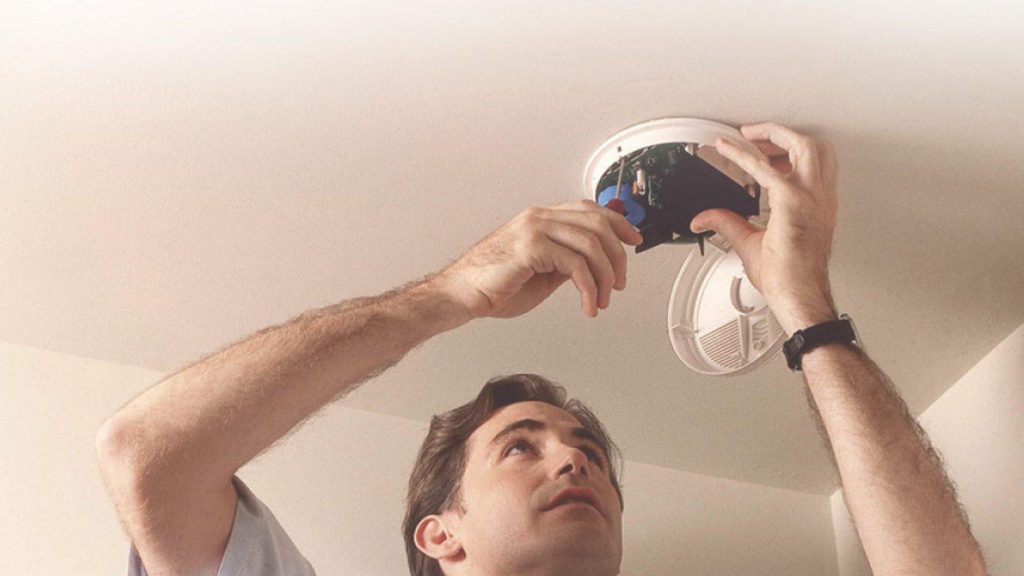
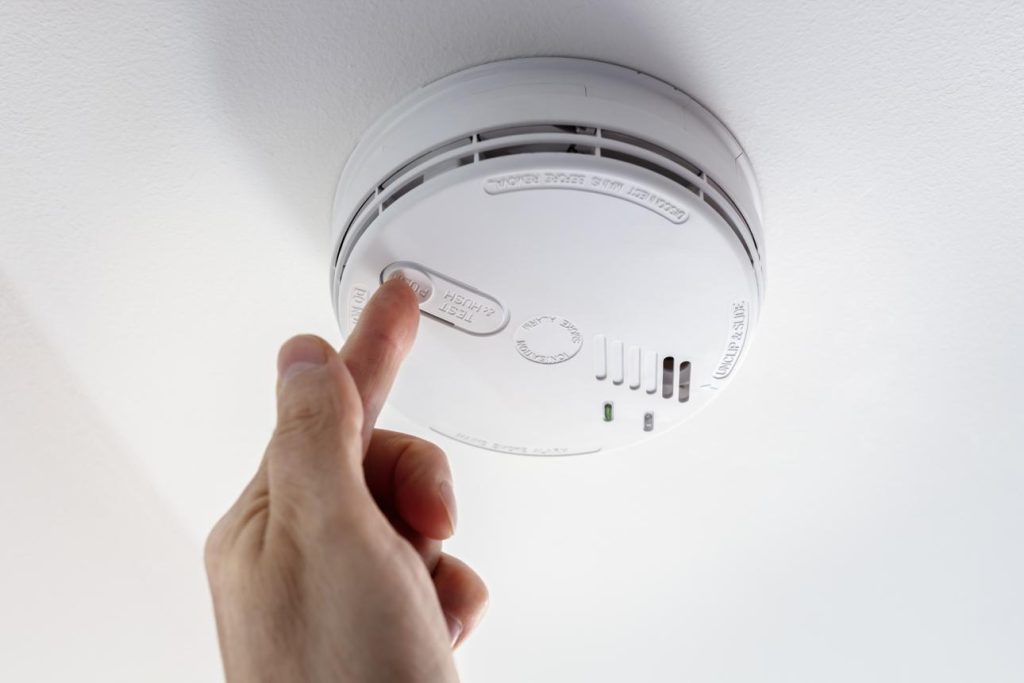
Modern interconnected photoelectric smoke alarms provide earlier warning during a fire and allow all alarms in the property to activate simultaneously when one alarm detects smoke. This gives occupants more time to evacuate safely.
What Type of Smoke Alarms Are Required?
Queensland legislation requires smoke alarms to be:
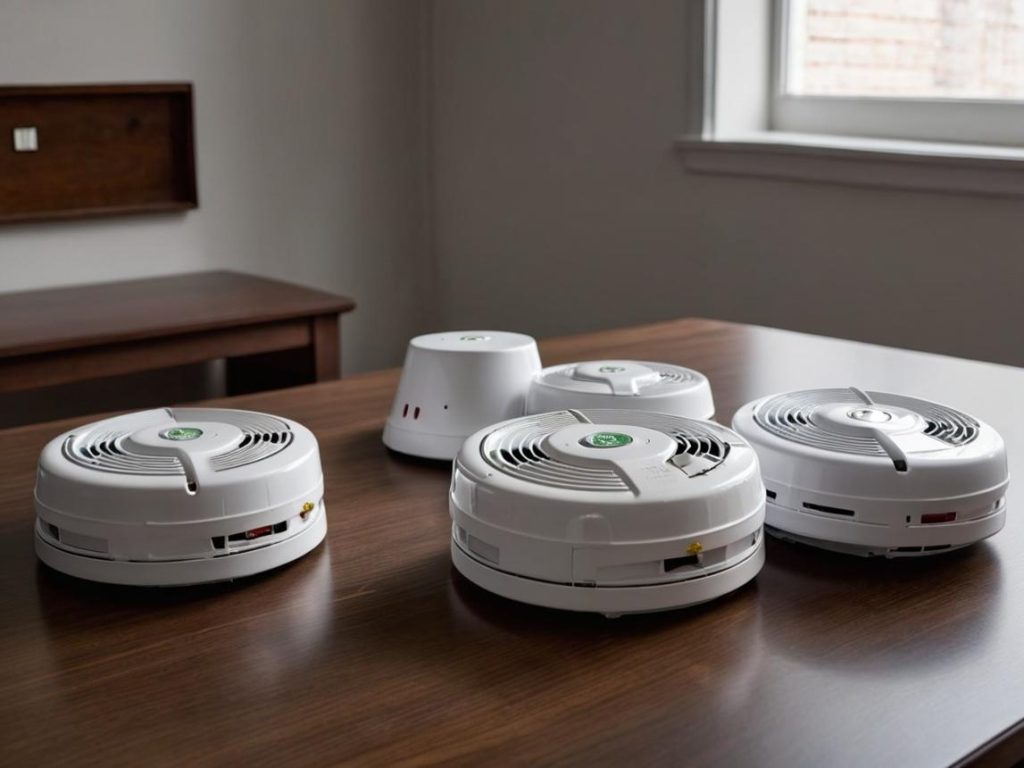
- Photoelectric smoke alarms
- Compliant with Australian Standard AS 3786-2014
- Interconnected so all alarms activate together
- Either hardwired or powered by a non-removable 10-year battery
- Fully operational when tested
Older ionisation smoke alarms are no longer considered compliant under current legislation.
Where Must Smoke Alarms Be Installed?
Smoke alarms must be installed:
- In every bedroom
- In hallways connecting bedrooms to the rest of the home
- On every level of the property
- In the most likely path of travel to exit the dwelling if no bedrooms exist on that level
Proper placement is essential for compliance and safety. Additional spacing rules also apply around fans, air-conditioning vents, and corners.
Smoke Alarm Requirements for Rental Properties
Queensland rental properties already require full compliance with interconnected photoelectric smoke alarm legislation.
- Smoke alarms meet legislative requirements
- Alarms are operational
- Batteries are replaced if required
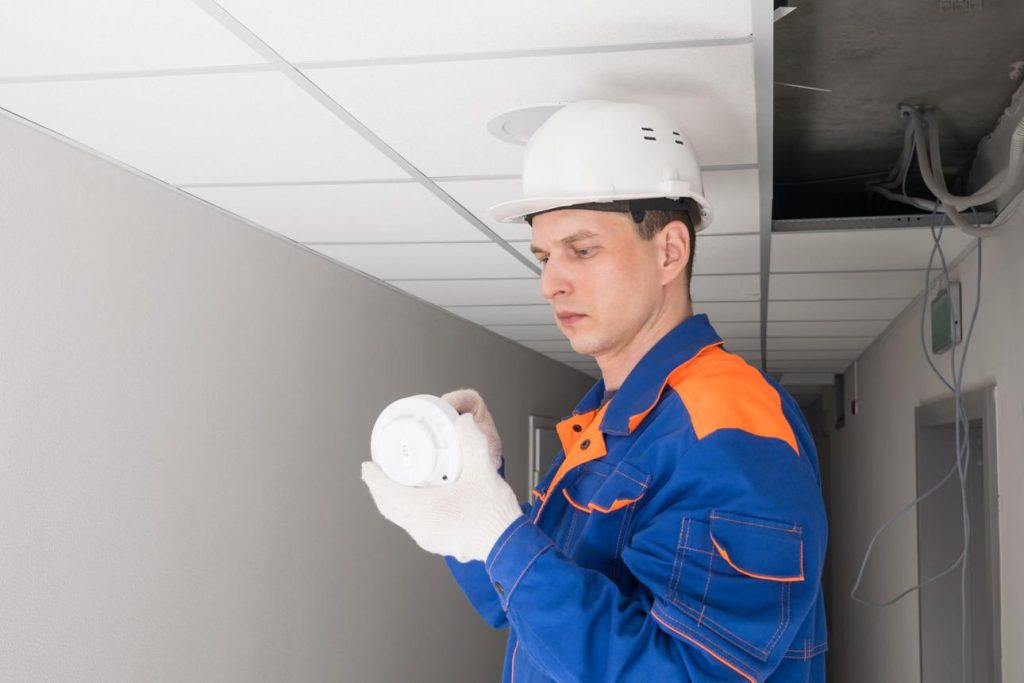
- Alarms are tested and cleaned within 30 days before a new tenancy starts or is renewed
- Test and clean alarms at least once every 12 months
- Replace flat batteries during the tenancy where applicable
These responsibilities are outlined under Queensland tenancy and fire safety legislation.
Smoke Alarm Requirements When Selling a Property
If you are selling a residential property in Queensland, smoke alarms must already meet current compliance requirements before the contract is signed.
Sellers may be required to disclose smoke alarm compliance during the sale process.
Failure to comply may create settlement complications and financial adjustments under some residential contracts.
2027 Compliance Deadline
A major deadline is approaching:
By 1 January 2027:
All Queensland homes must have compliant interconnected photoelectric smoke alarms installed, including owner-occupied properties.
- Houses
- Townhouses
- Units
- Apartments
- Manufactured homes
must all meet the same compliance standards.
Smoke Alarm Maintenance Responsibilities
Regular maintenance remains important even after installation.
- Test alarms regularly
- Clean alarms according to manufacturer instructions
- Replace alarms older than 10 years
- Replace faulty alarms immediately
Queensland Fire Department guidance recommends regular testing to ensure alarms continue operating correctly.
Common Smoke Alarm Mistakes
Common compliance issues include:
- Using outdated ionisation alarms
- Non-interconnected systems
- Missing bedroom alarms
- Expired smoke alarms
- Incorrect installation locations
- Not replacing alarms older than 10 years
Many homeowners only discover compliance issues when selling or renting their property.
Why Smoke Alarm Compliance Matters
Smoke alarm compliance helps:
- Protect occupants
- Improve fire safety
- Meet legal obligations
- Reduce property sale complications
- Support insurance requirements
- Protect rental property compliance
Most importantly, working smoke alarms save lives by providing critical early warning during emergencies.
Queensland Property Market & Compliance in 2026
As Brisbane and South East Queensland continue experiencing strong property activity, compliance requirements remain an important part of buying, selling, and managing property.
Many homeowners and investors are proactively upgrading smoke alarm systems before the 2027 deadline to avoid future compliance issues.
Final Thoughts
Queensland’s smoke alarm legislation is designed to improve safety and reduce the risk of fire-related injuries and fatalities.
Whether you own, rent, manage, or are selling a property, understanding the current requirements and upcoming 2027 deadline is essential.
Ensuring your property is compliant now can help protect occupants, avoid legal complications, and provide greater peace of mind in the future.
Buying, Selling or Managing Property in Queensland?
The team at Q Place Real Estate can help guide homeowners, landlords, and investors through important property compliance requirements while providing expert advice across Brisbane and South East Queensland.