How Major Sporting Events Can Shape Brisbane's Property Market Beyond 2032
Real Estate Trends After the Olympics
What happens to the property market after the Olympics?
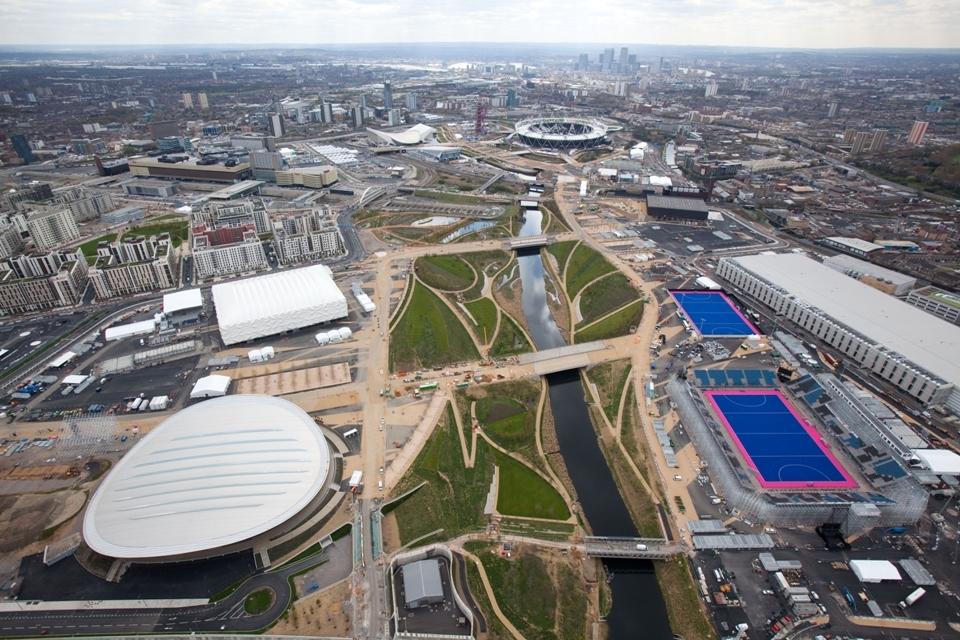
The Olympic legacy frequently lasts well past the closing ceremony, as demonstrated by history. Infrastructure enhancements, urban renewal projects, increased global recognition, and population growth all had long-term benefits for cities like Sydney, London, and Barcelona. According to research, Olympic host cities frequently experience stronger property performance rather than an immediate downturn in the years following the Games. This guide looks at what buyers, sellers, and investors should think about when buying or selling real estate in Brisbane after 2032.
The Olympic Effect on Property Markets
Long-term economic and infrastructure benefits are frequently generated by major international events.
Olympic host cities typically receive:
- Transport upgrades
- Urban renewal projects
- New sporting facilities
- Increased tourism
- Global exposure
- Improved liveability
Long after the Games are over, these enhancements may have an impact on property values and demand for housing.
Trend 1: Continued Infrastructure-Led Growth
Infrastructure is one of the most significant Olympic legacy.
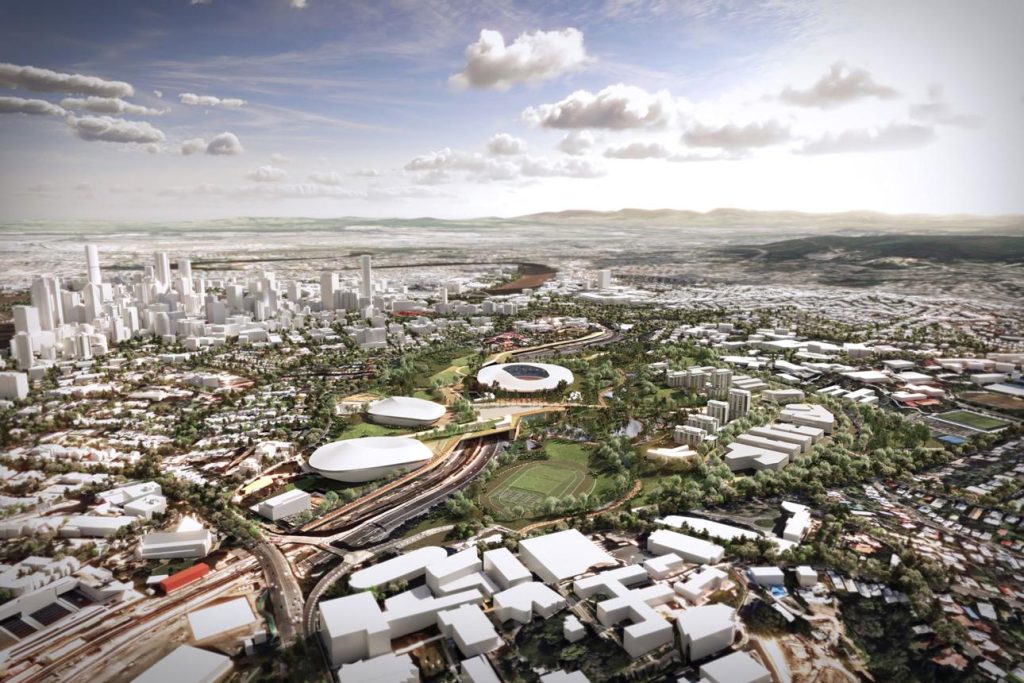
Projects associated with Brisbane 2032 include:
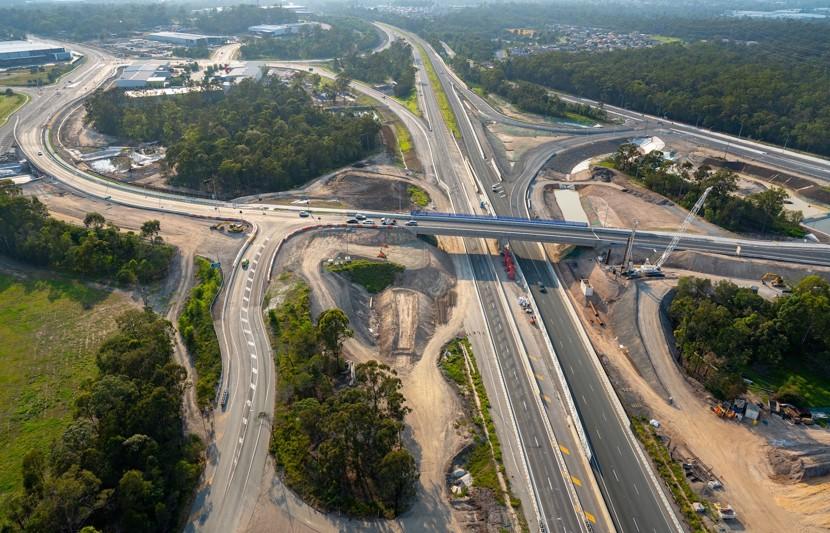
- Transport improvements
- Venue developments
- Urban renewal precincts
- Public space enhancements
Many of these projects are meant to help people in Brisbane for years to come, not just during the Olympics. Improvements to the infrastructure frequently improve accessibility, shorten travel times, and make the suburbs around them more appealing to tenants and buyers.
Trend 2: Strong Demand for Well-Connected Suburbs
- Public transport hubs
- Employment centres
- Entertainment precincts
- Olympic legacy infrastructure
may continue to have a lot of buyers after 2032. Historically, areas benefiting from transport improvements often attract higher long-term interest from both owner-occupiers and investors.
Suburbs near major infrastructure corridors and urban renewal precincts are potential attractive locations.
Trend 3: Population Growth Supporting Housing Demand
Brisbane continues attracting interstate and international migration due to:
- Lifestyle advantages
- Employment opportunities
- Relative affordability
- Economic growth
After the Olympics, population growth is likely to continue to be an important factor in long-term property demand. CBRE notes that strong population growth and housing undersupply are major factors supporting Brisbane's long-term outlook beyond 2032.
Trend 4: Increased Global Recognition
Brisbane gains prominence on a global scale by hosting the Olympics.
Potential long-term benefits include:
- Increased tourism
- International investment interest
- Business relocation opportunities
- Greater awareness of Brisbane as a lifestyle destination
After the Games, there may be continued demand for residential and investment properties due to global exposure.
Trend 5: Urban Renewal Precincts Creating New Opportunities
Urban transformation is frequently accelerated by Olympic infrastructure.
Areas undergoing renewal may benefit from:
- Improved amenities
- New residential developments
- Retail and entertainment growth
- Enhanced public spaces
These changing areas may present opportunities for capital growth over the long term for investors.
Trend 6: Ongoing Rental Market Demand
In recent years, there has been a lot of demand for rental properties in Brisbane.
Factors supporting rental demand include:
- Population growth
- Housing shortages
- Employment growth
- Infrastructure investment
Tenant demand may continue to benefit investors after the Olympics if supply remains limited.
Trend 7: Potential Supply Increases in Some Areas
Not every trend after the Olympics is always positive.
Some precincts may experience:
- Increased housing supply
- Apartment completions
- Urban redevelopment projects
Higher supply levels may put pressure on rental markets or temporarily slow price growth in some areas. Before making a purchase, savvy investors ought to evaluate the fundamentals of supply and demand.
Trend 8: Shift Toward Lifestyle-Focused Living
Post-Olympics Brisbane is expected to offer:
- Better transport connectivity
- Improved public spaces
- Enhanced recreational facilities
- More walkable communities
These improvements may increase demand for lifestyle-oriented suburbs that provide convenience, connectivity, and quality of life.
Lessons from Previous Olympic Cities
Cities that have hosted Olympics in the past offer useful insights.
Common long-term outcomes include:
Sydney
Infrastructure and urban renewal contributed to continued growth in many areas.
London
Precincts that had not been developed before were transformed by Olympic redevelopment.
Barcelona
The Games helped to reshape the city’s urban landscape and international profile. Even though every city is different, Olympic benefits frequently go far beyond the event itself.
Common Myths About Post-Olympic Property Markets
Myth: Property Prices Always Crash After the Olympics
This assertion is not consistently supported by historical evidence. Many Olympic cities experienced continued growth after the Games.
Myth: Every Suburb Benefits Equally
Depending on factors like infrastructure, location, and local demand, some suburbs gain more than others.
Myth: The Olympics Alone Drives Property Growth
Property performance is also influenced by:
- Population growth
- Employment
- Interest rates
- Housing supply
- Economic conditions
The Olympics is one factor among many.
What Buyers Should Consider
If you’re planning to buy property in Brisbane:
Focus on Long-Term Fundamentals
Research Infrastructure Projects
Consider Lifestyle Trends
Successful property decisions are generally based on fundamentals rather than short-term speculation.
What Investors Should Consider
Investors should monitor:
- Rental demand
- Vacancy rates
- Infrastructure development
- Population growth
- Future housing supply
Strong fundamentals and long-term growth drivers are frequently found in the best investments.
Final Thoughts
The Brisbane Olympics will eventually end, but many of its impacts on the property market may continue for years afterward. Brisbane’s real estate landscape is expected to be influenced well beyond 2032 by infrastructure upgrades, urban renewal projects, population growth, and global exposure.
While no one can predict future market performance with certainty, history suggests that the legacy of major sporting events often extends far beyond the event itself. Brisbane’s long-term growth story may best benefit buyers and investors who focus on solid fundamentals rather than short-term hype.
Need Expert Advice on Brisbane Property?
Buyers, sellers, and investors alike can rely on Q-Place Real Estate’s expertise to navigate Brisbane’s ever-changing real estate market.
Whether you’re looking to buy, sell, invest, or learn about Brisbane 2032’s opportunities, our knowledgeable professionals can provide tailored advice and local insights to help you achieve your property goals.